Shopping Cart
There are no more items in your cart
 English GB
 Français
 Deutsch
 Español
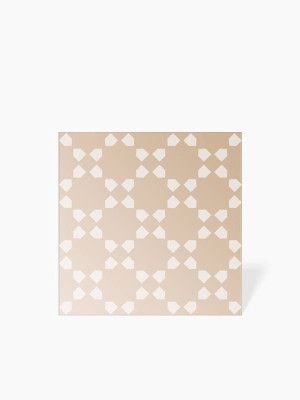
Of Moroccan inspiration, zellige, which means “tile” in Arabic, is arriving in the kitchen! Perfect on a splashback, these tiles resulting from artisanal know-how project travel stories, for an inimitable chic bohemian atmosphere.
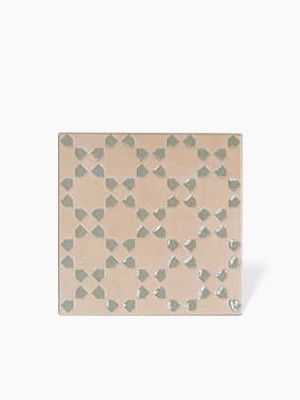
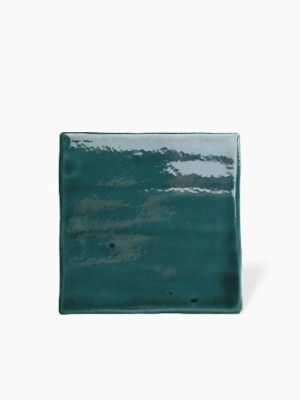
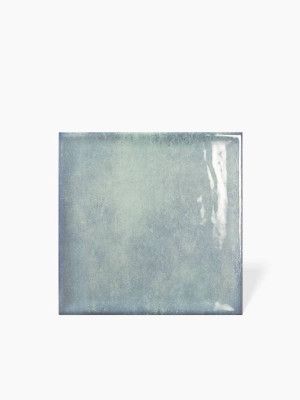
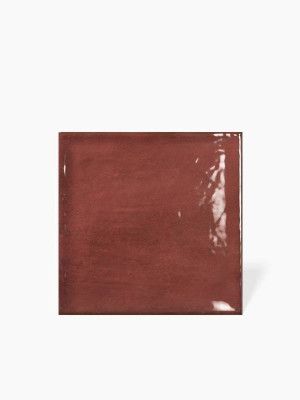
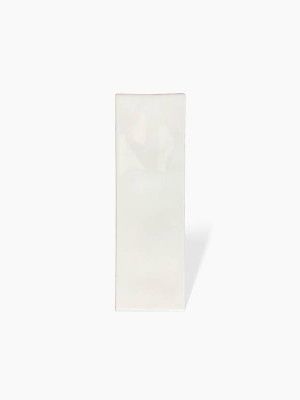
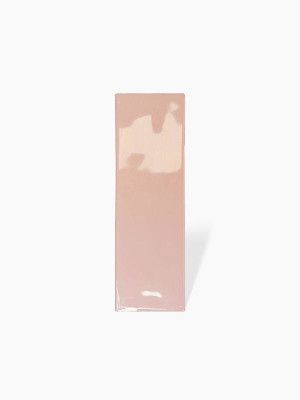
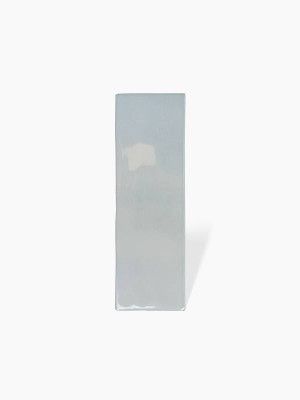
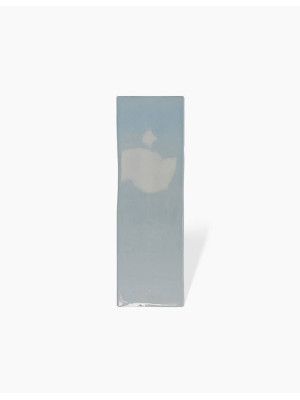
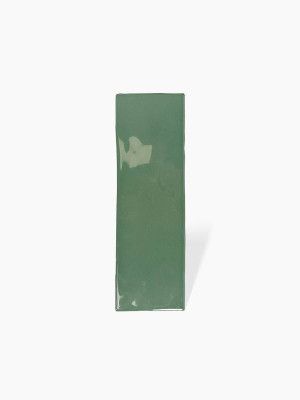
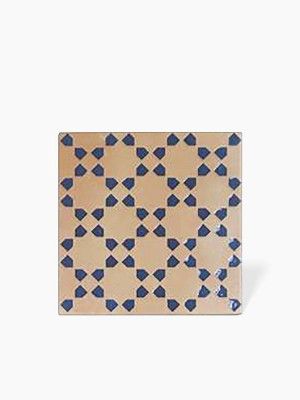
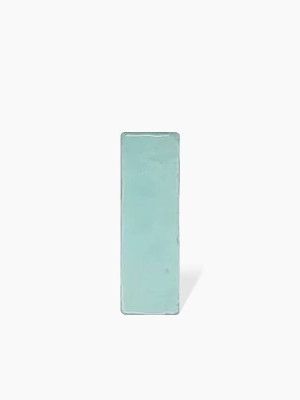
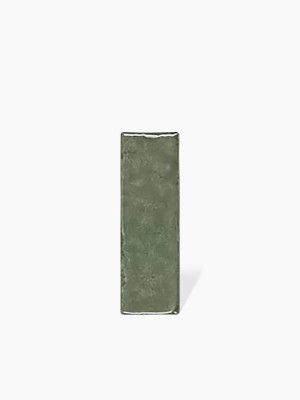
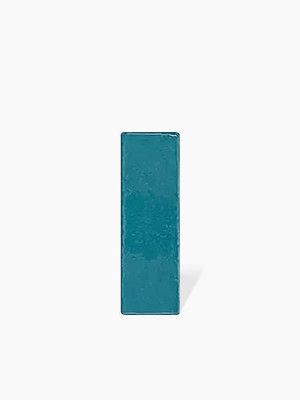
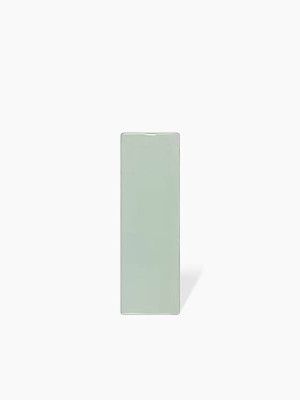
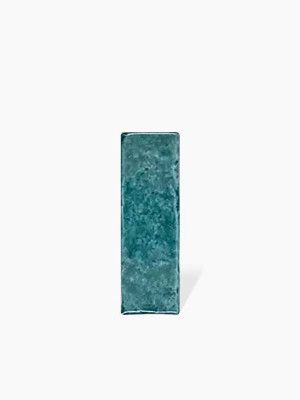
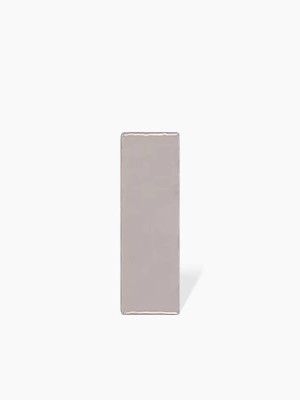
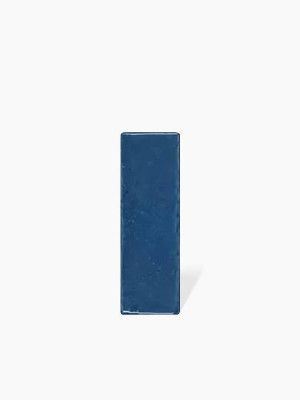
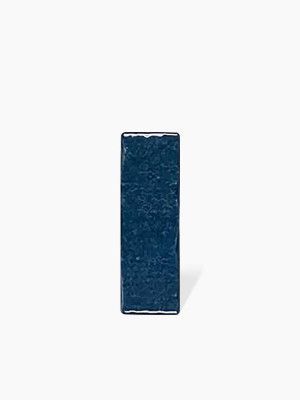
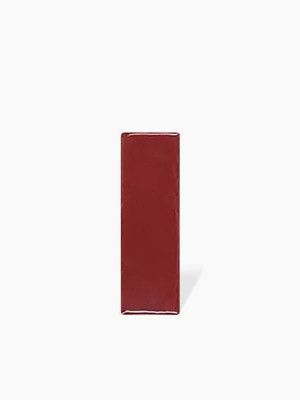
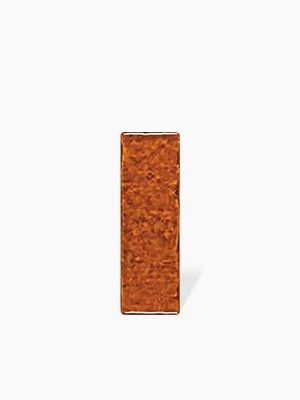
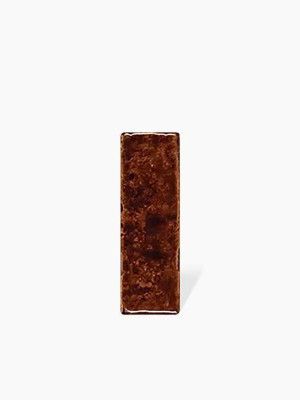
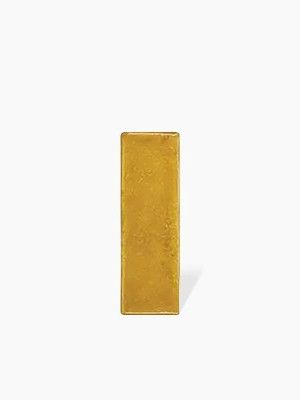
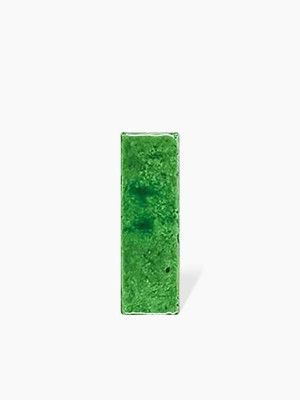
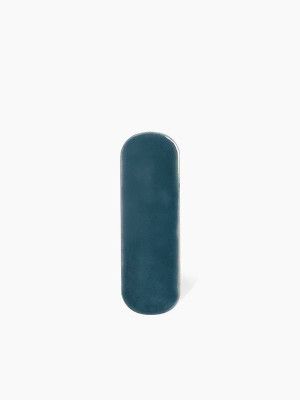
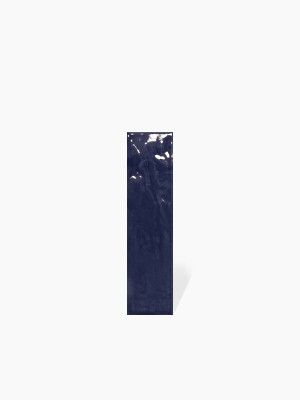
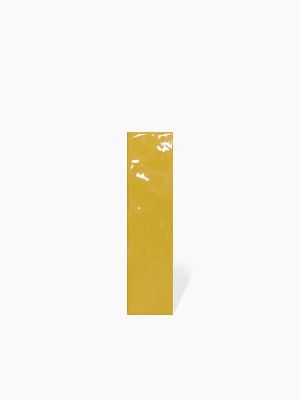
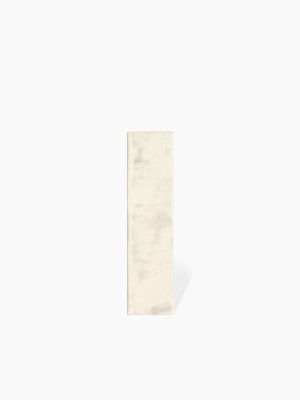
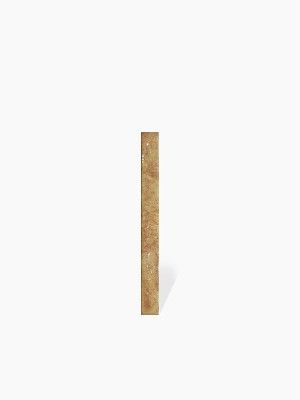
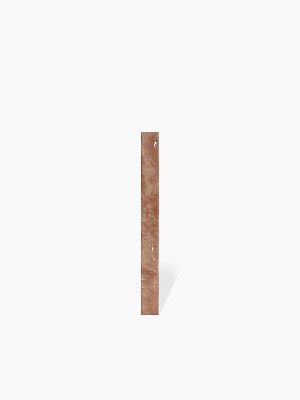
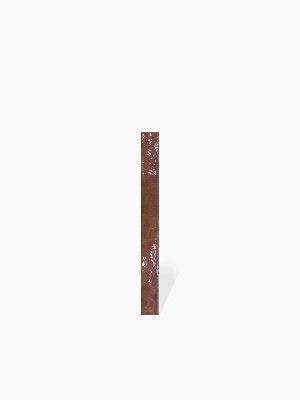
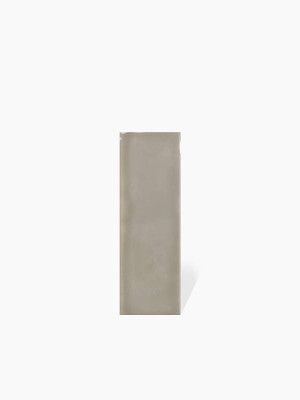
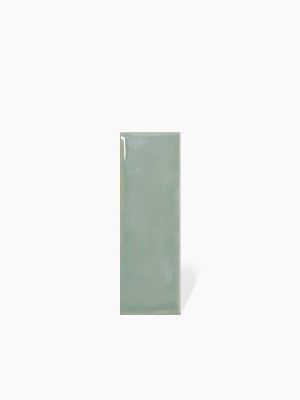
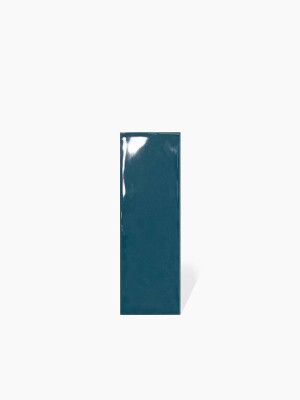
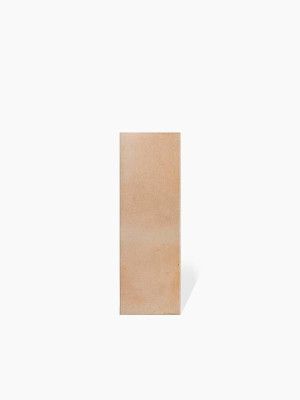
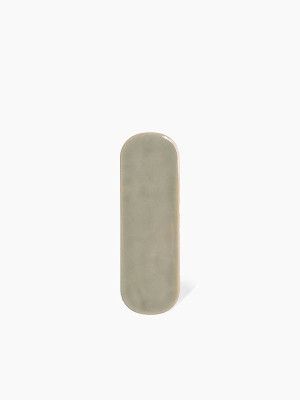
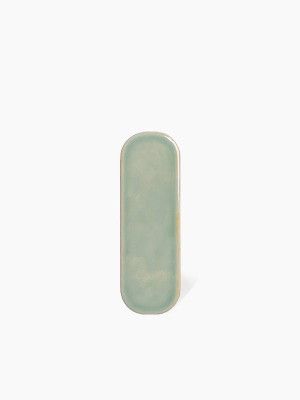
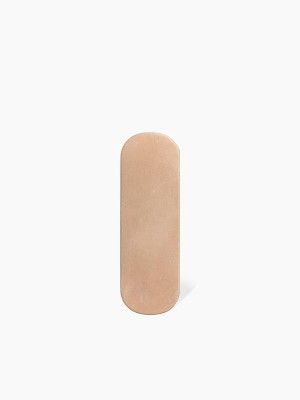
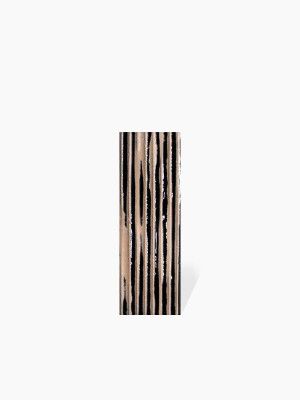
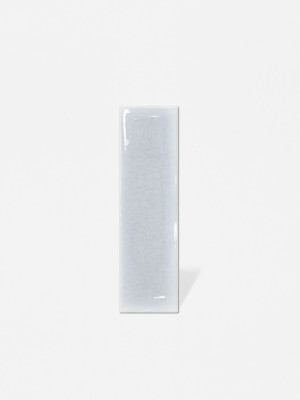
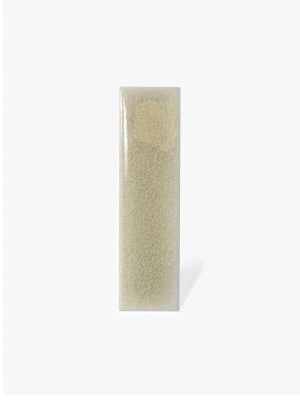
Of Moroccan inspiration, zellige, which means “tile” in Arabic, is arriving in the kitchen! Perfect on a splashback, these tiles resulting from artisanal know-how project travel stories, for an inimitable chic bohemian atmosphere.
When it comes to decoration, Oriental interior designers can be considered the best in their field. You should know that Oriental decorative styles are very sought after and elaborate. Between shapes, materials and colours, everything is designed to bring maximum authenticity to the decor.
Coverings are an integral part of interior decoration. One of the most used remains tile. It has several advantages. Its price is variable, and it is possible to find it for all budgets. It is also easy to maintain and can be installed in any room of the house. The use of tile as a covering is particularly common in the kitchen.
When you combine tile with the Oriental style, you get zellige.
Of Arabic origin, “zellige” translates as “small polished stone”. This term is used to define tile in general. So we speak of “zellige”, and not “zellige tile”, to avoid pleonasm.
Zellige originates from the Maghreb, more precisely from Morocco. Today, zellige is characterised by bright colours, giving a luminous and very expressive result.
There are several types of zellige. They are usually square. However, it is quite possible to find zellige in rectangular or scale-shaped versions. In all cases, it is easy to recognise. Indeed, zellige has an earthy look, close to usual terracotta. It is also quite porous, which sets it apart from porcelain stoneware tile, for example.
Zellige is the fruit of several years, even several centuries, of artisanal know-how. Reproducing it identically is therefore almost impossible. Indeed, the manufacture of zellige is rooted in Moroccan culture.
Authentic zellige is made from Fez clay in the Zelij workshops. The craftsperson moulds grey clay tiles. They are calibrated, then dried. Only after that do they go for a first firing.
Once fired, they are glazed before being fired a second time. They are then cut according to the desired shapes. The craftsperson can thus cut square tiles, rectangles, diamonds or other elaborate polygons.
For coloured tiles, you should know that the colouring is done once they have been made.
Zellige is therefore another example of the intelligence, ingenuity and technique of Moroccans. Indeed, such precision in the making and cutting of tiles is only possible thanks to various mathematical calculations, several trials and several years of experience.
Today, zellige is used as a covering in homes all over the world.
We speak of the “zellige effect” when the tile recalls the Oriental accents of this Moroccan tile. You should know that zellige is strongly inspired by Roman and Byzantine mosaics. While the latter were used to adorn walls or fountains, the use of zellige extends to the walls and floors of riads, hammams, as well as the finest monuments of Morocco.
The zellige effect is therefore an impression felt on seeing this type of authentic and characteristic tile.
First of all, you should know that the grey clay used to make zellige is a noble material. The small imperfections underline the human character of their making and bring a certain authenticity to interior decoration. As each tile is handmade, it is not uncommon for them to show some differences in cutting. But this enhances the charm of this type of tile.
Zellige is particularly suited to kitchen covering. It is common to find it on the floor, walls and worktop of Moroccan kitchens.
Zellige is a type of tile that can be described as traditional. Nevertheless, it is quite possible to incorporate it into the decor of a contemporary kitchen, like cement tiles, ceramic or even polished concrete.
Zellige is easy to combine with any type of material. But, to showcase it, it is advisable to opt for a worktop whose main material is raw wood.
You can perfectly well incorporate zellige into the decor of a modern kitchen. The key is to combine the right colours and materials.
Modern kitchens are generally made of granite, stainless steel or wood. You should know that the combination of any of these materials and zellige is very aesthetic. It is therefore all a question of choosing colours and combining them.
If in doubt or if you have difficulties integrating zellige into your kitchen, contact an interior designer.
Zellige can be used as a bathroom covering. It is still recommended to opt for glazed zellige. Indeed, this type of Moroccan tile has a particular resistance to water splashes. This is precisely why zellige is very often found in hammams.
You can therefore install zellige on the walls or floor of your bathroom.
Zellige can come in different colours. The most common is blue. But it is quite possible to find it in grey, cream, black and even green.
The combination of white zellige and blue zellige is a timeless classic. It adapts easily to all kitchens.
Of course, you can opt for a single colour of zellige or a combination of several colours. It all depends on your tastes.
Be careful, though, with colour combinations! For a modern decoration, take care not to use more than three different colours.
Green is a colour that recalls nature. Incorporating it into interior decoration is therefore an excellent way to bring a little touch of freshness.
However, you must pay attention to combinations with green. Some colours such as red, orange and purple are not necessarily compatible with it.
A safe bet is the combination of a solid wood worktop, white kitchen walls and green zellige.
Comptoir du Cérame offers you a collection of zelliges for your kitchen. You can choose between small square tiles of 10 cm x 10 cm or 12.5 cm x 12.5 cm.
To get a better idea of the quality of the Moroccan tiles from Comptoir du Cérame, visit our showroom and let yourself be advised to be sure of making the best choice.