Shopping Cart
There are no more items in your cart
 English GB
 Français
 Deutsch
 Español
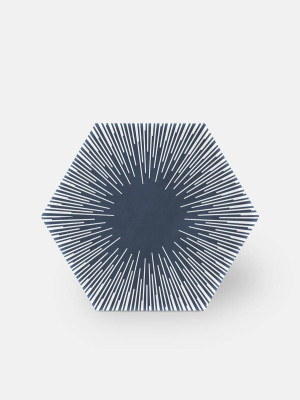
Blue tiles, at once retro, offbeat and soothing, invite themselves into decor, in discreet or bolder ranges, in luminous, graphic patterns that lend themselves to every association.
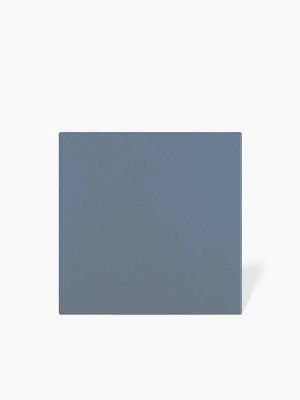
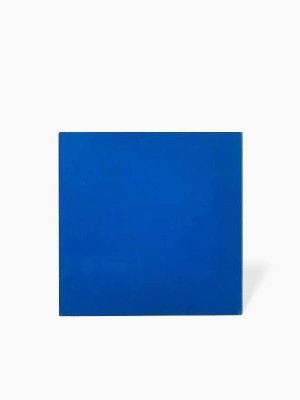
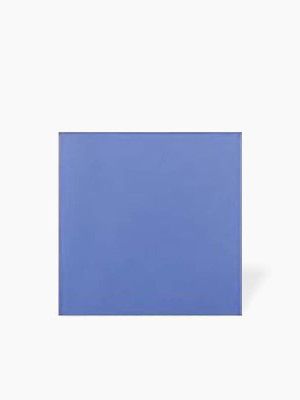
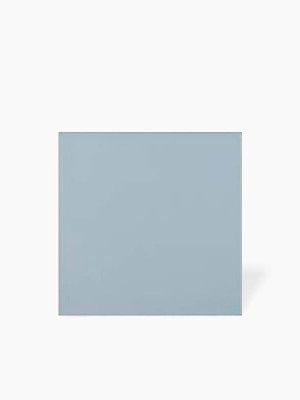
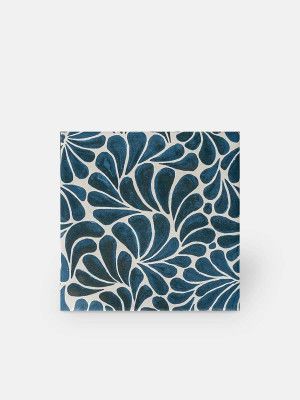
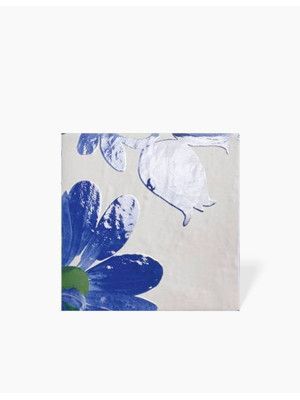
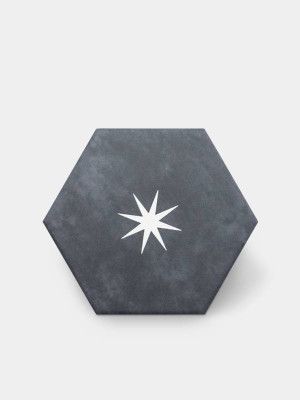
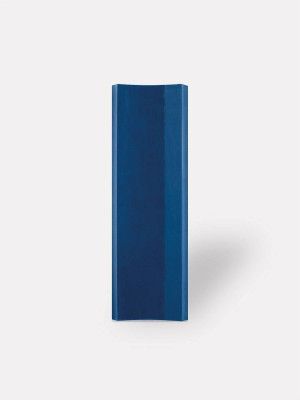
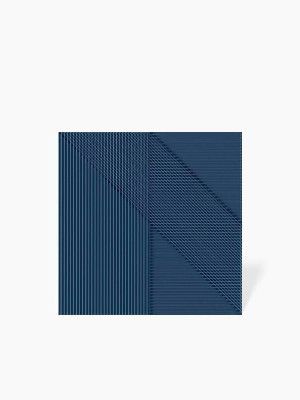
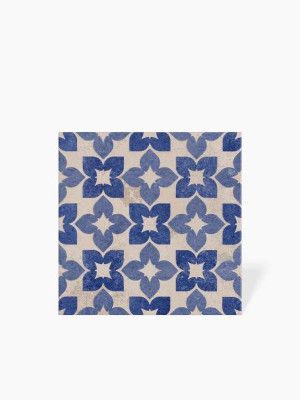
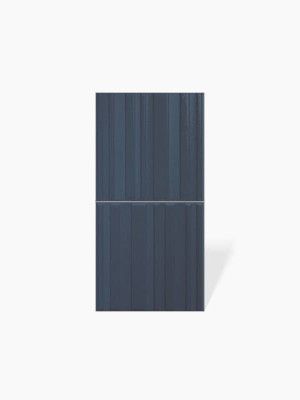


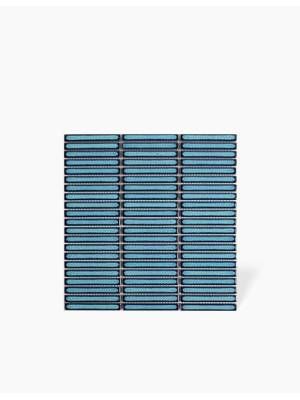
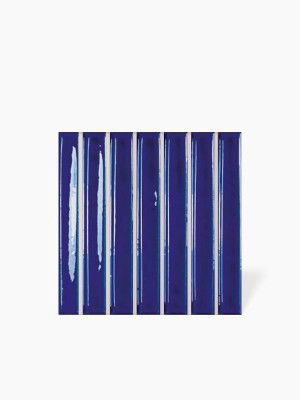
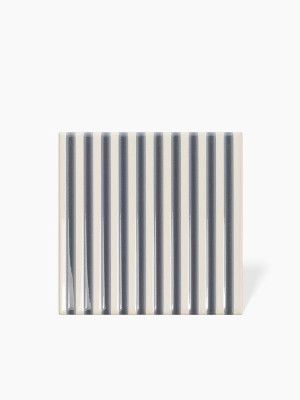
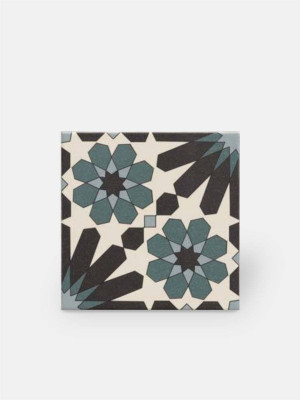
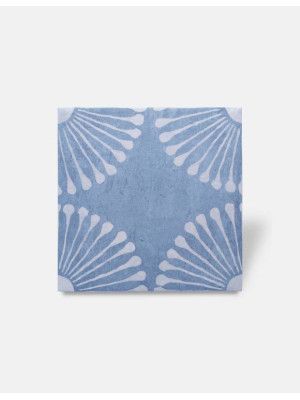
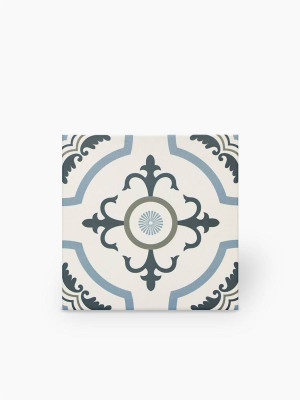
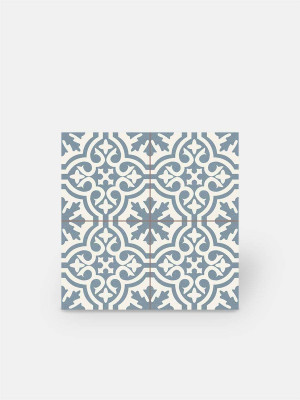
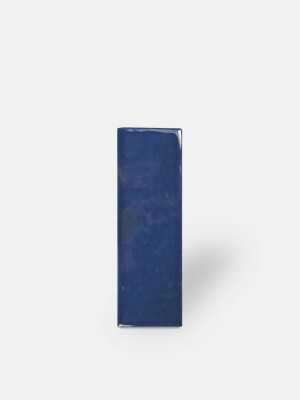
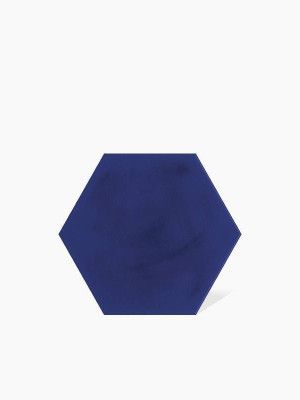
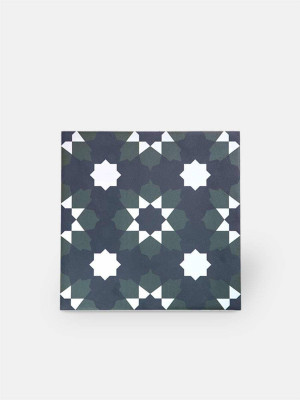
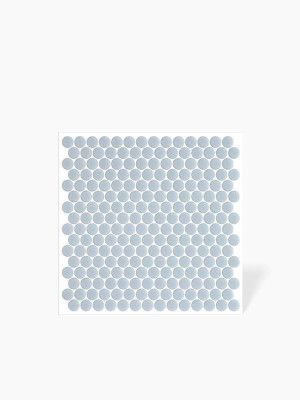
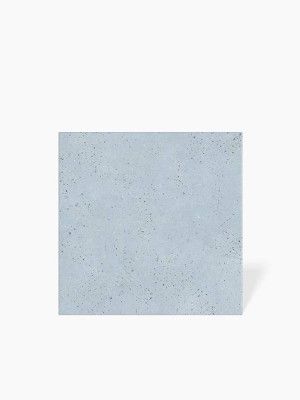
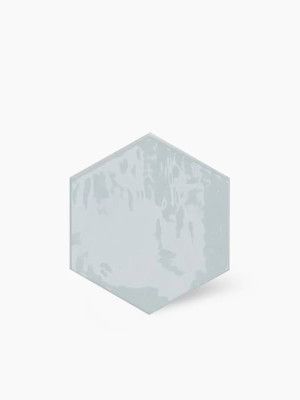
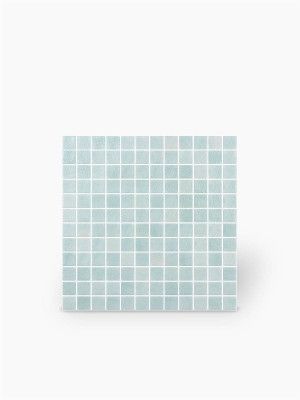
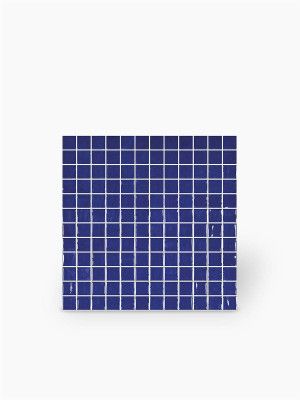
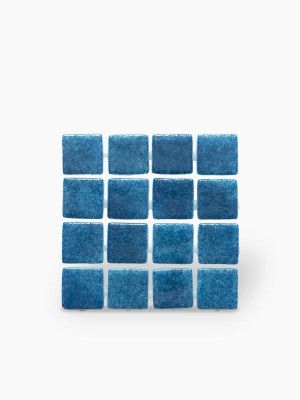
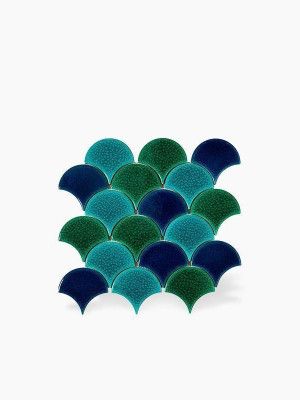
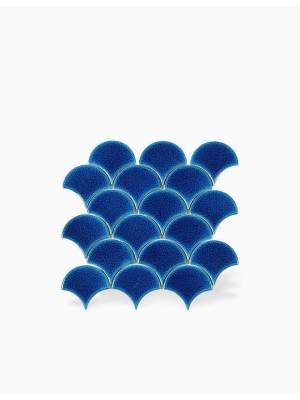
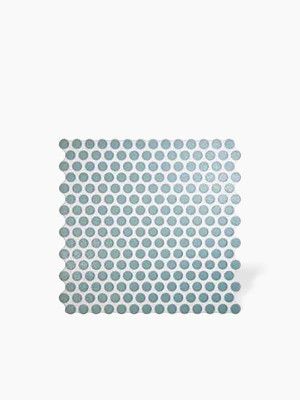
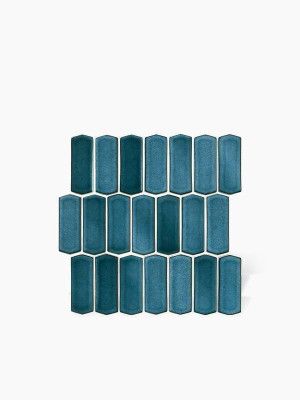
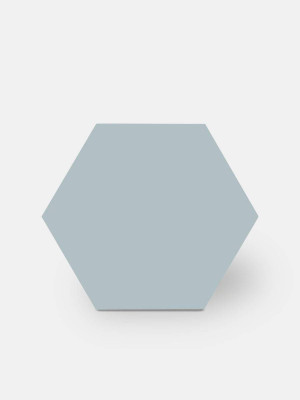
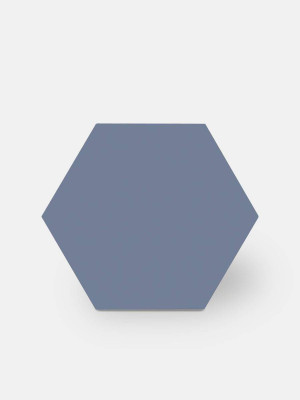
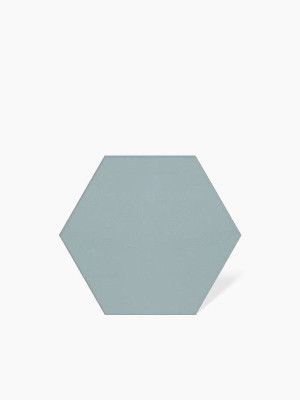
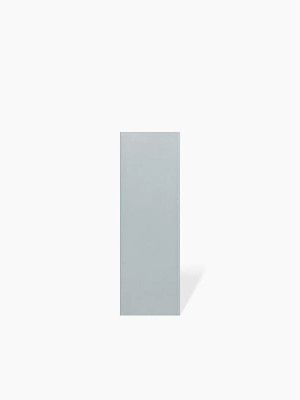
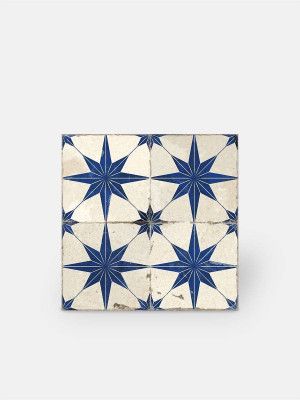
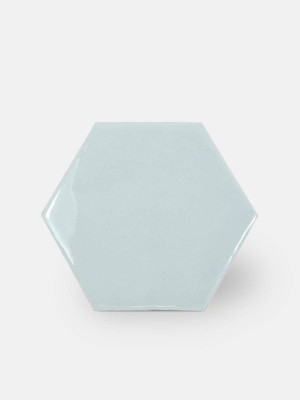
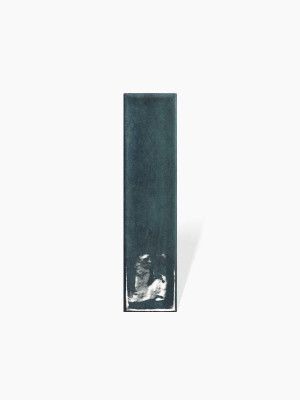
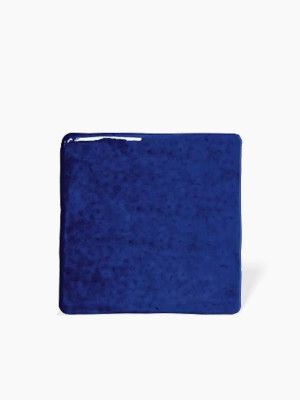
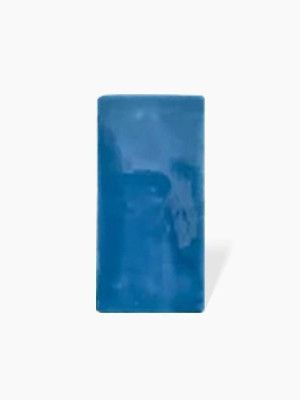
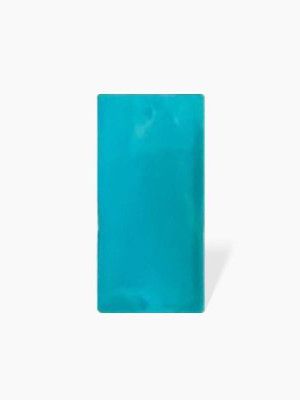
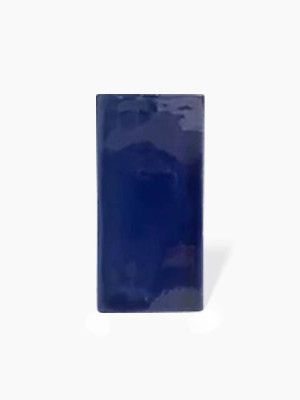
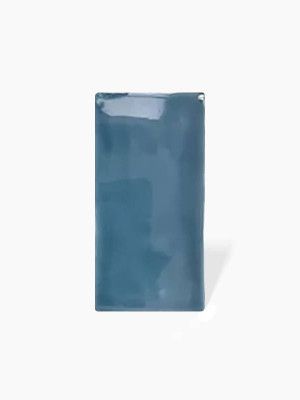
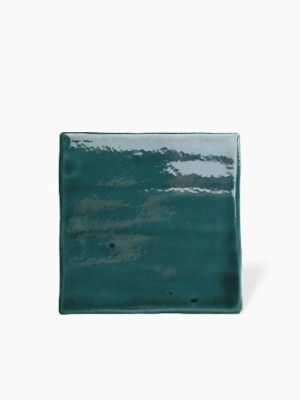
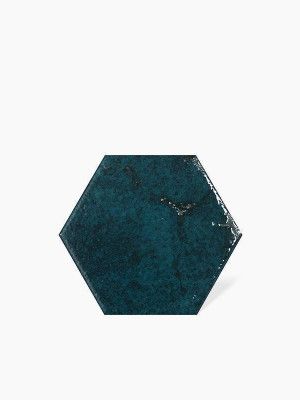
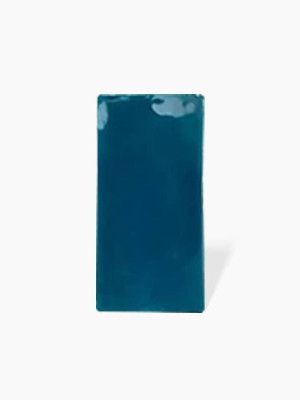
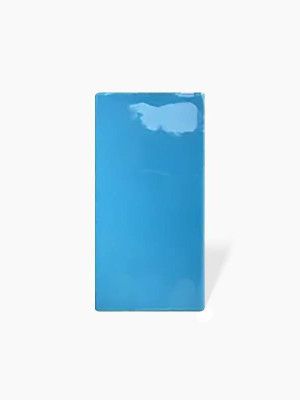
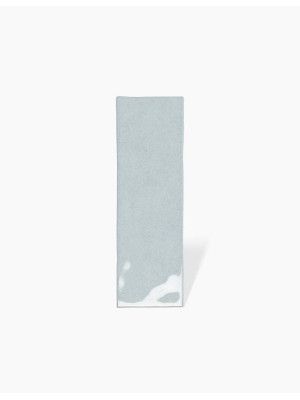
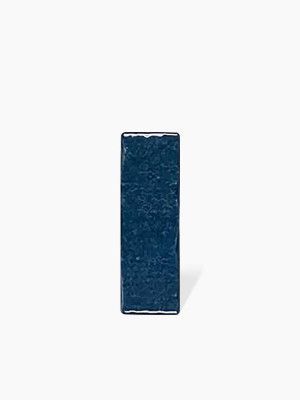
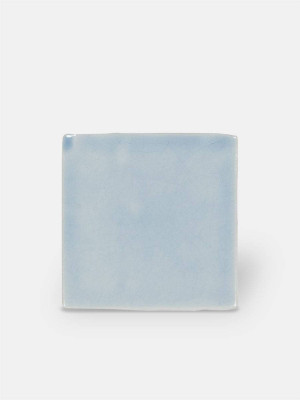
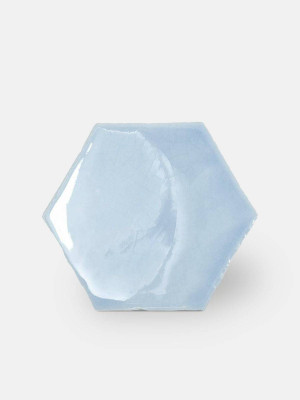
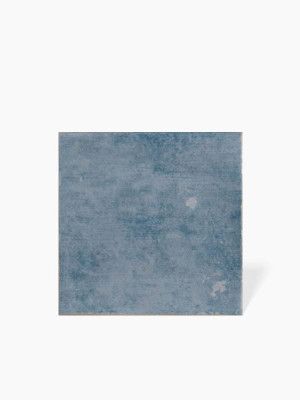
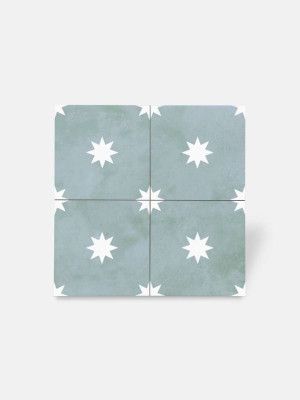
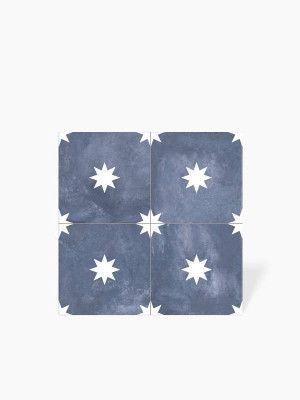
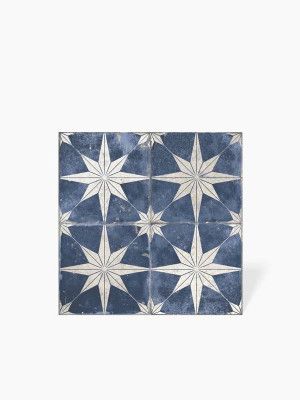
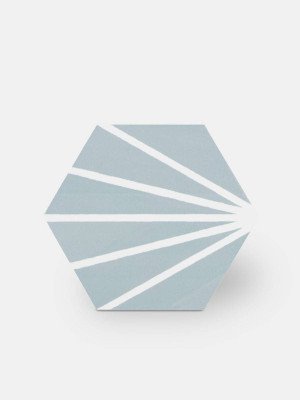
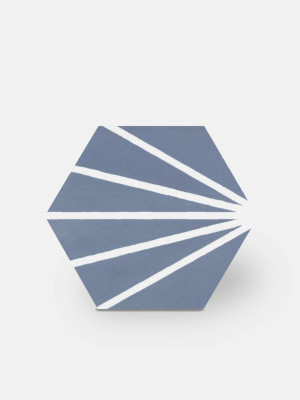
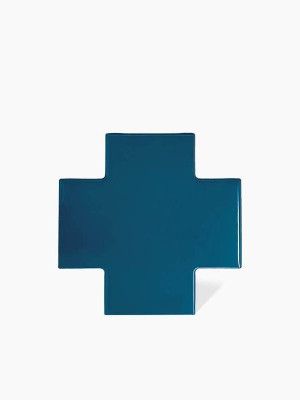
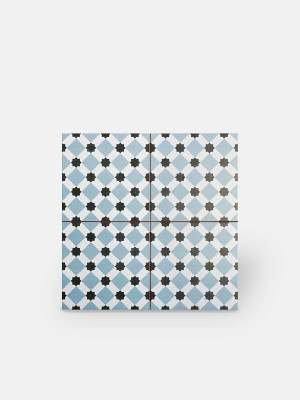
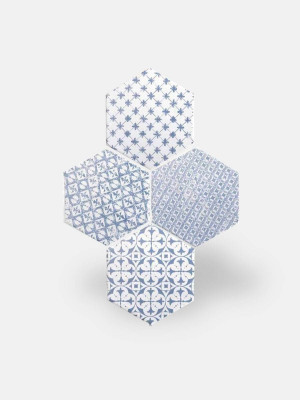
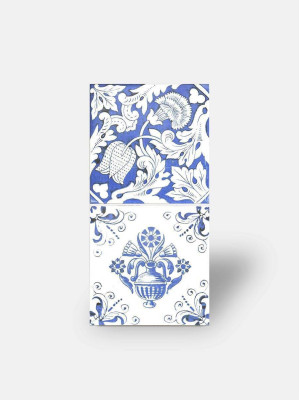
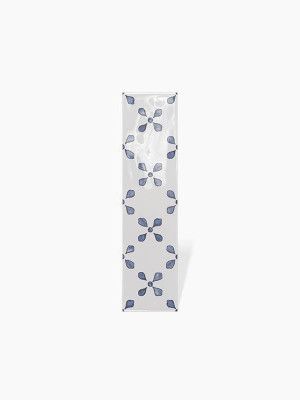
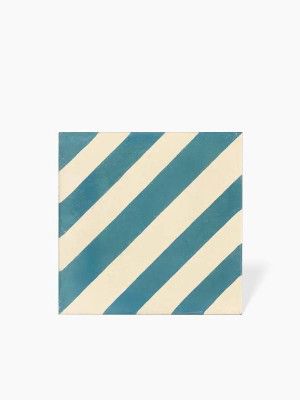
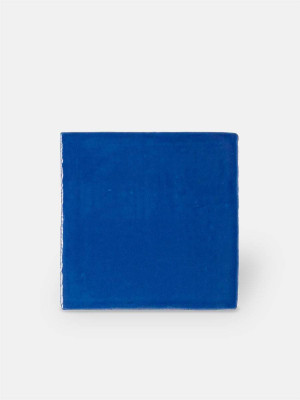
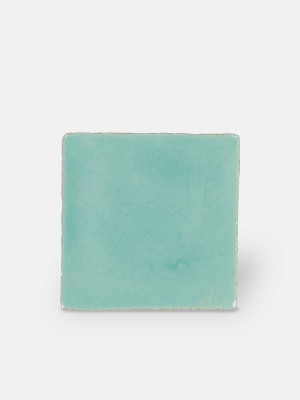
Blue tile, at once retro, offbeat and soothing, is making its way into decor, in discreet or more assertive ranges, in bright, graphic patterns that lend themselves to all combinations.
Tile is one of the most commonly used coverings indoors or outdoors. It is offered in various colours and in several forms.
Tile has several advantages. First of all, it is easy to maintain. This means that specific products are not necessarily needed to clean it.
Tile is also aesthetic. It is easy to showcase and to integrate into an interior decoration.
Tile can also be installed in any room. It can be used to cover the bathroom or living room floor. It can also be used for a kitchen splashback. It stylishly covers the walls of an office or even those of a bedroom. In short, tile is perfect for covering floors and walls.
There are several types of tile. Each has its properties and advantages. Here are a few. To discover them, visit Comptoir du Cérame. We offer you a wide range of tiles that are perfect for your interior, and of superior quality.
For floor covering, it is advisable to opt for non-slip tile, especially if you want to install it in the bathroom. Porcelain stoneware and zellige are the most suitable for this type of application.
Marble brings a touch of elegance to your interior. It is perfect when installed in the living room or a dining room. The same goes for natural stone and cement tiles.
You can perfectly well use porcelain stoneware, zellige or even marble and natural stone for a wall covering.
If you want to put aesthetics to the fore, opt for coloured mosaic.
It is also possible to turn to marble and natural stone.
For kitchen walls, wall earthenware and zellige are to be favoured.
Blue is a vibrant colour commonly used by interior designers. It finds its place in the kitchen, living room, dining room, bathroom and bedroom.
There are several shades of blue. They range from navy blue to light blue, via sky blue and sea blue. Using blue tile is one of the best ways to incorporate blue into your interior decoration.
For the floor or for walls, blue tile is perfect in any room of the house. You just need to find the right shades and match them with the right colours.
In fact, incorporating blue into interior decoration is relatively simple. You just need to create harmony, without assaulting the eye of the beholder. For example, you can opt for a tone-on-tone with a grey-blue tile and light blue walls. But if you choose the same shade, your decoration will be monotonous, even aggressive. The same goes if the chosen blue is too pronounced.
Ultimately, you just need to create a balance between the elements and the colours.
Blue is a colour that is self-sufficient. This means that it is not compulsory to combine it with another colour to showcase it. That is why a tone-on-tone of blue is very interesting in interior decoration. If you fear too much heaviness, you can soften the composition by pairing blue tile with two-tone white and sky-blue walls.
Blue is perfect with yellow. To accentuate it, pair a chic teal-blue tile with chick-yellow and white walls.
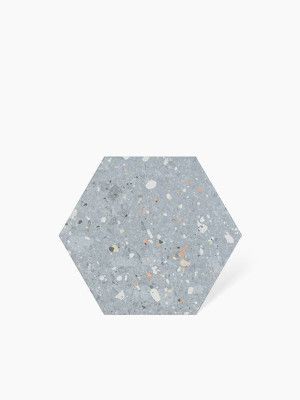
You are not obliged to choose a single colour for your tile if the tiles have no patterns. Blue and grey are two colours that blend perfectly. You can therefore combine cement tiles with a blue zellige-effect tile or a blue Scandinavian tile.
You can find turquoise blue tile at Comptoir du Cérame. The catalogue also lists matt blue, peacock blue or midnight blue tile.