Shopping Cart
There are no more items in your cart
 English GB
 Français
 Deutsch
 Español
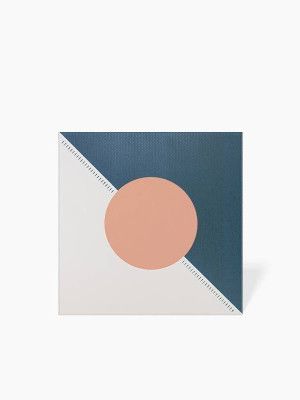
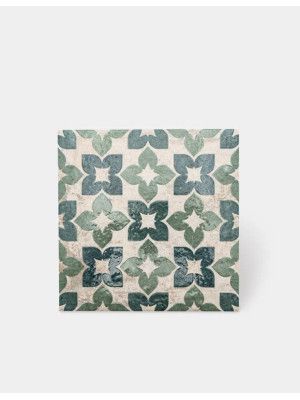
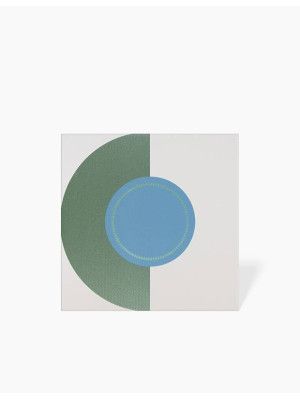
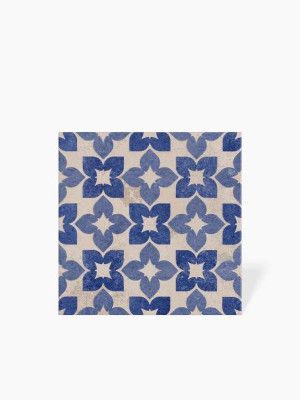
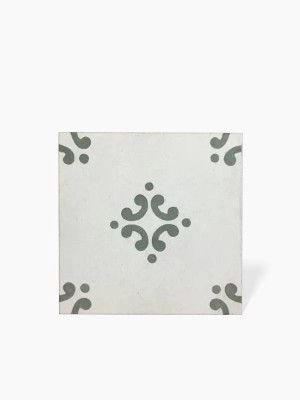
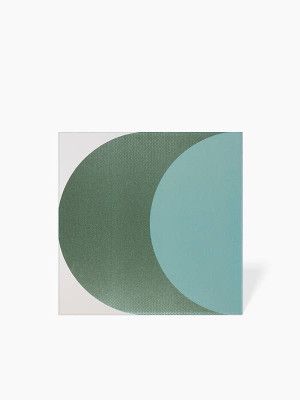
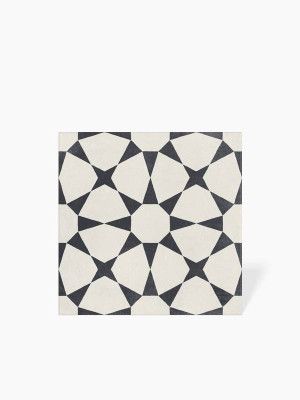
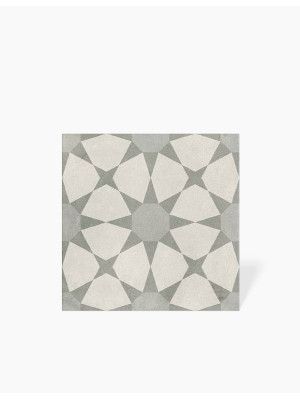
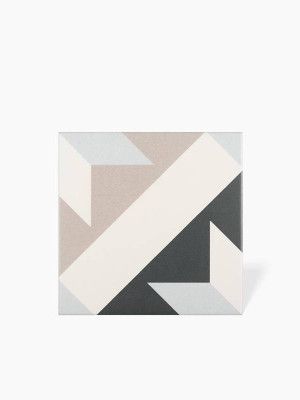
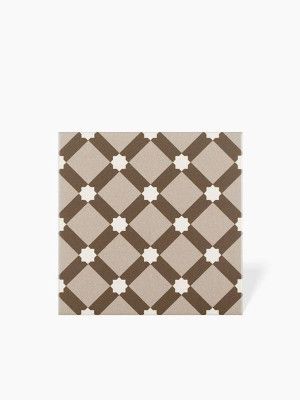
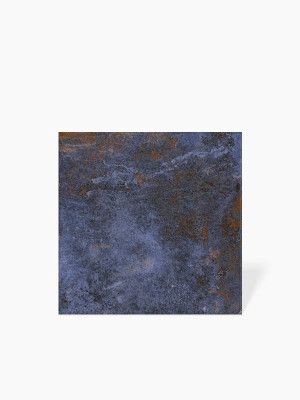
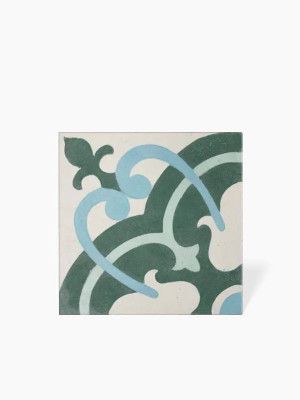
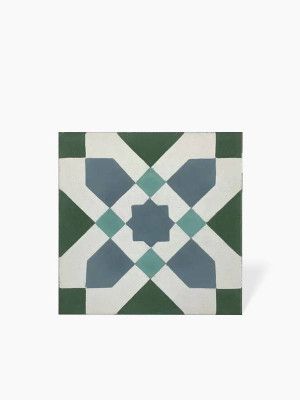
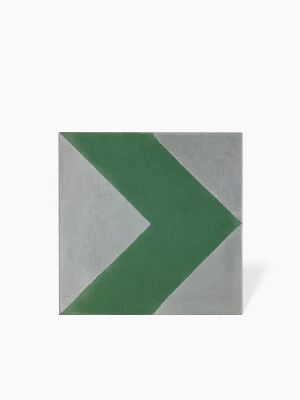
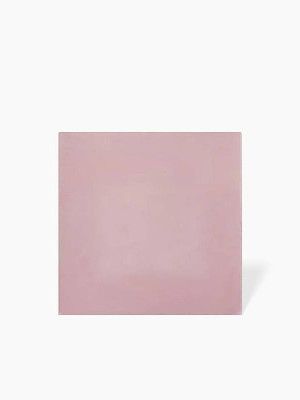
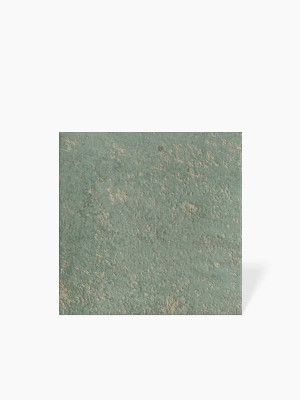
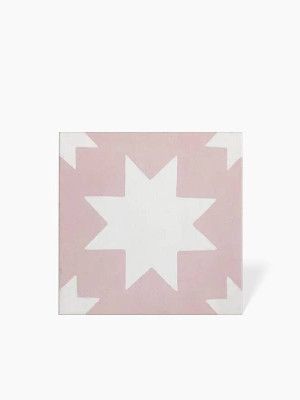
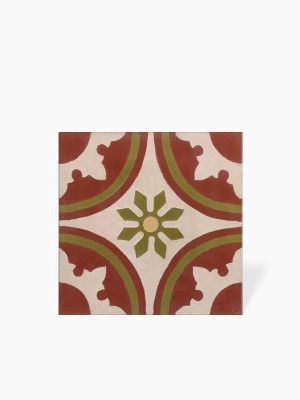
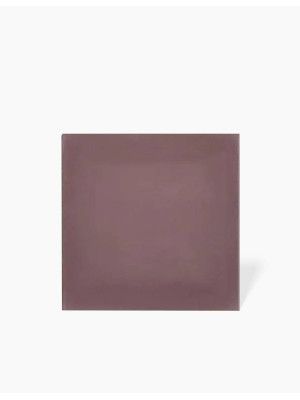
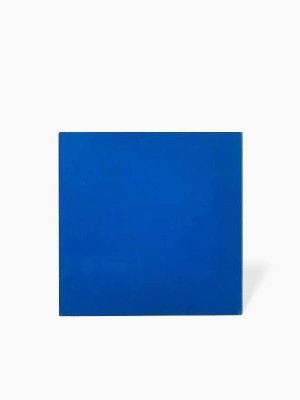
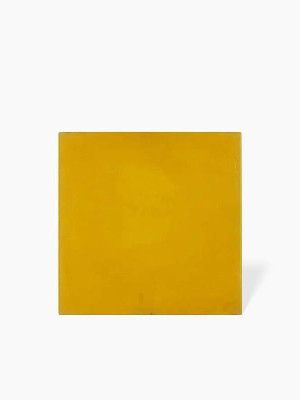
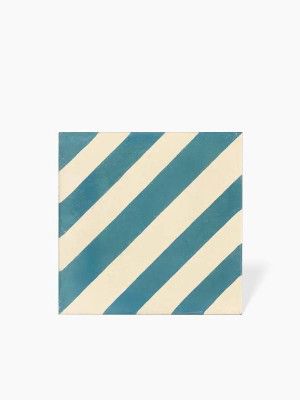
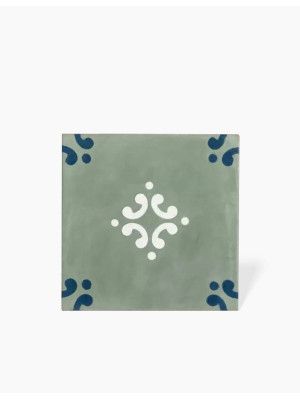
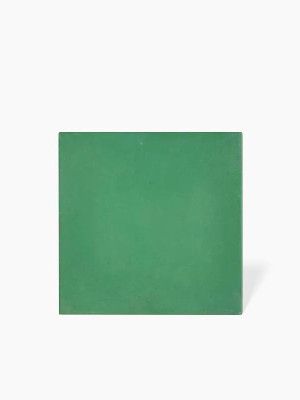
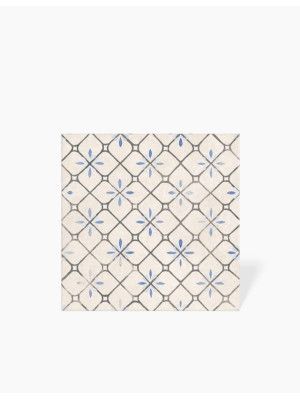
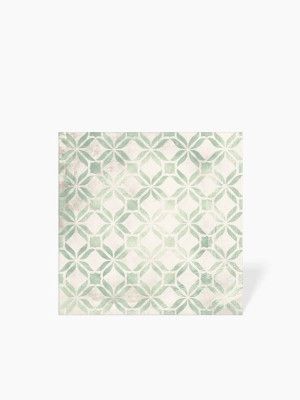
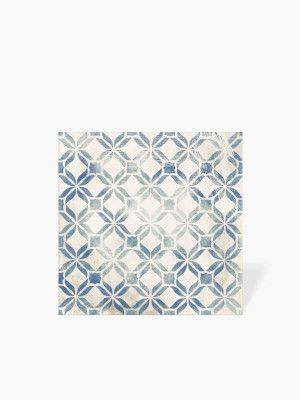
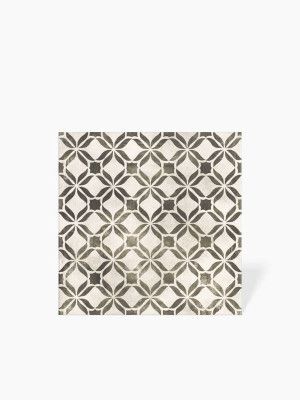
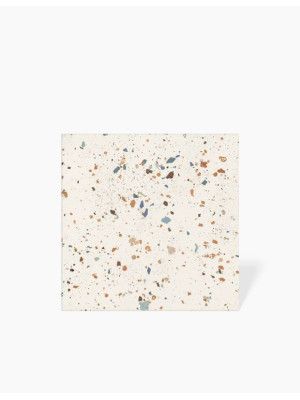
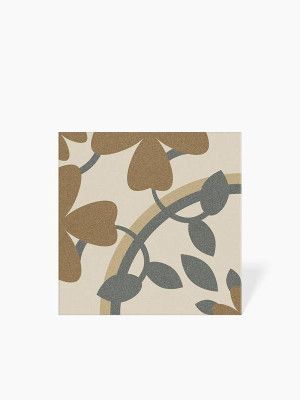

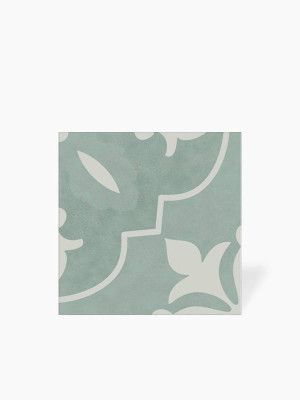
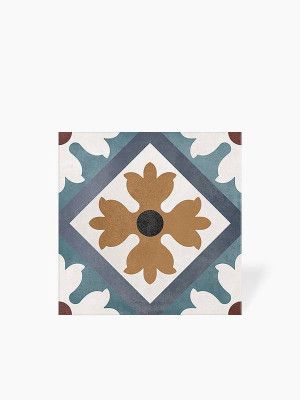
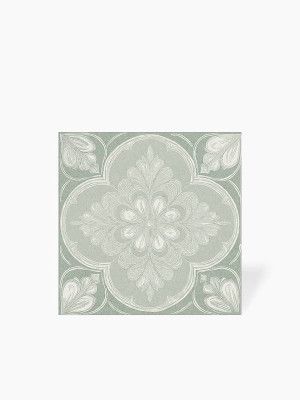
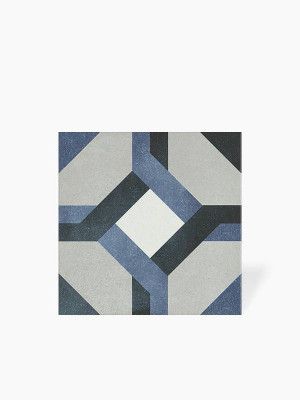
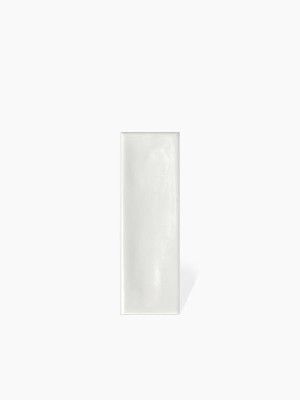
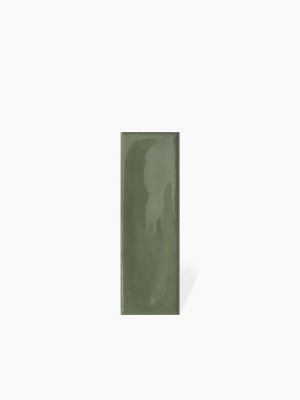
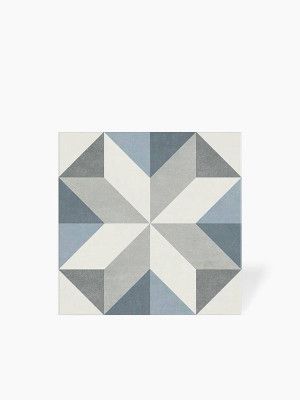
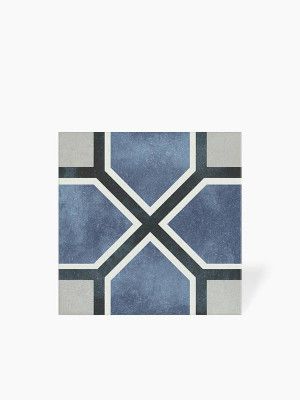
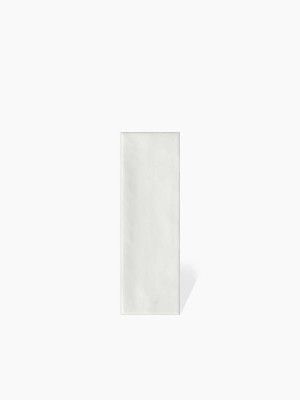
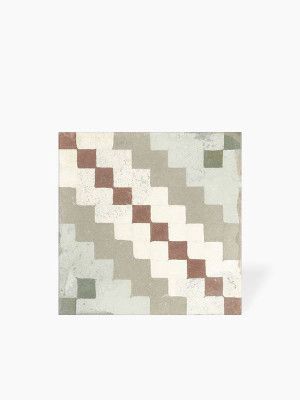
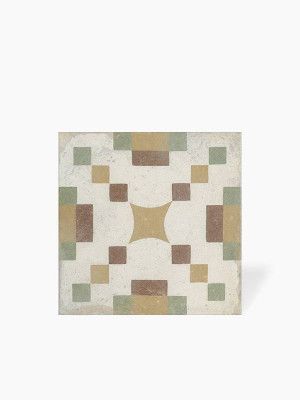
Called cement tiles, hydraulic tiles or mosaic tiles, these tiles appeared with the Industrial Revolution in Europe, around 1850 in Belgium, France and Spain. At that time, floor coverings were made of stone, marble, granito, relatively fragile tile or parquet.
Cement tiles, a technological novelty at the time, have several advantages over other coverings. On the one hand, they make it possible to obtain tiled floors with varied patterns, more solid and resistant to wear. On the other hand, the manufacture of these tiles, although requiring a hydraulic press, requires no firing.
Thus, the cost and the new decorative possibilities offered by cement tiles ensured the growth they would enjoy until the 20th century.
In the mid-19th century, the Neo-Gothic style, with plant or geometric motifs inspired by the Middle Ages, carpeted floors with its designs in mosaics made up of these modern tiles. Towards the end of the 19th century, the modernist movement and Art Nouveau gave a new decorative influence to cement tiles that would mark many building floors, Haussmannian or Barcelonan in particular. Later, the Art Deco style also left its mark on these hydraulic tiles.
Cement tiles are also called hydraulic tiles because of their manufacturing process. This is not because of the hydraulic press used to mould them, but because these tiles go through a 24-hour bath immersed in water, then a spraying and a stay of about a month in a damp room.
The first step is to fill a cloisonné mould (which delimits the tile’s patterns and colours within a frame by means of metal partitions) with mixtures of pigments, water, cement, sand and, often, marble powder. Once all the compartments contain their coloured mixture in sufficient quantity, the mould is finished off by filling it with a colourless cement mixture. The whole is then compressed by a hydraulic press, removed and dried. The “hydraulic” phase of immersion, then complete drying and again long humidification, finally completes the manufacture of the cement tile.
Our collection
The majority of the genuine cement tiles offered by Comptoir du Cérame are 20x20 cm tiles, 2 cm thick. In colour or in black and white, part of the collection is in Neo-Gothic or Baroque style and the other part is Art Deco or Art Moderne influenced.
We also have a series of hexagonal cement tiles with dimensions of 29 cm maximum diameter and equal sides of 15 cm, 2 cm thick. In this series you will find a hexagonal tile with a smooth surface in colours and its twin in black and white, rather Art Deco… And finally, the hexagonal relief cement tiles that are laid on the floor as outdoor tile or possibly as bathroom tile. Famous for their pattern designed by Gaudí, they pave some pavements in Barcelona and are typical of Modernisme.
In this collection, all these cement or hydraulic tiles, intended for floor laying, can also be laid as bathroom tile.